
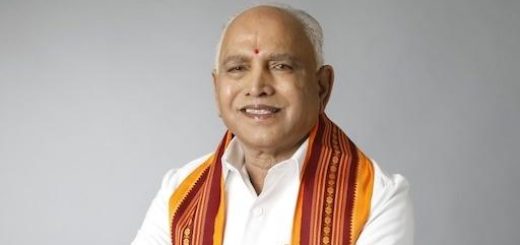
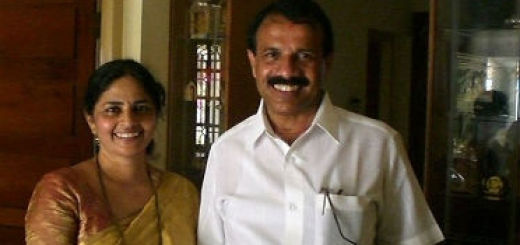
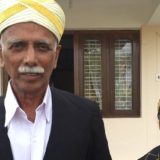
By Boverianda Nanjamma and Chinnappa* (in picture)
Studio photo, Jan 2016
The areas that were most affected by the devastation caused by the recent unprecedented floods and landslides also happen to be the places where Kodava culture has been best preserved for centuries.
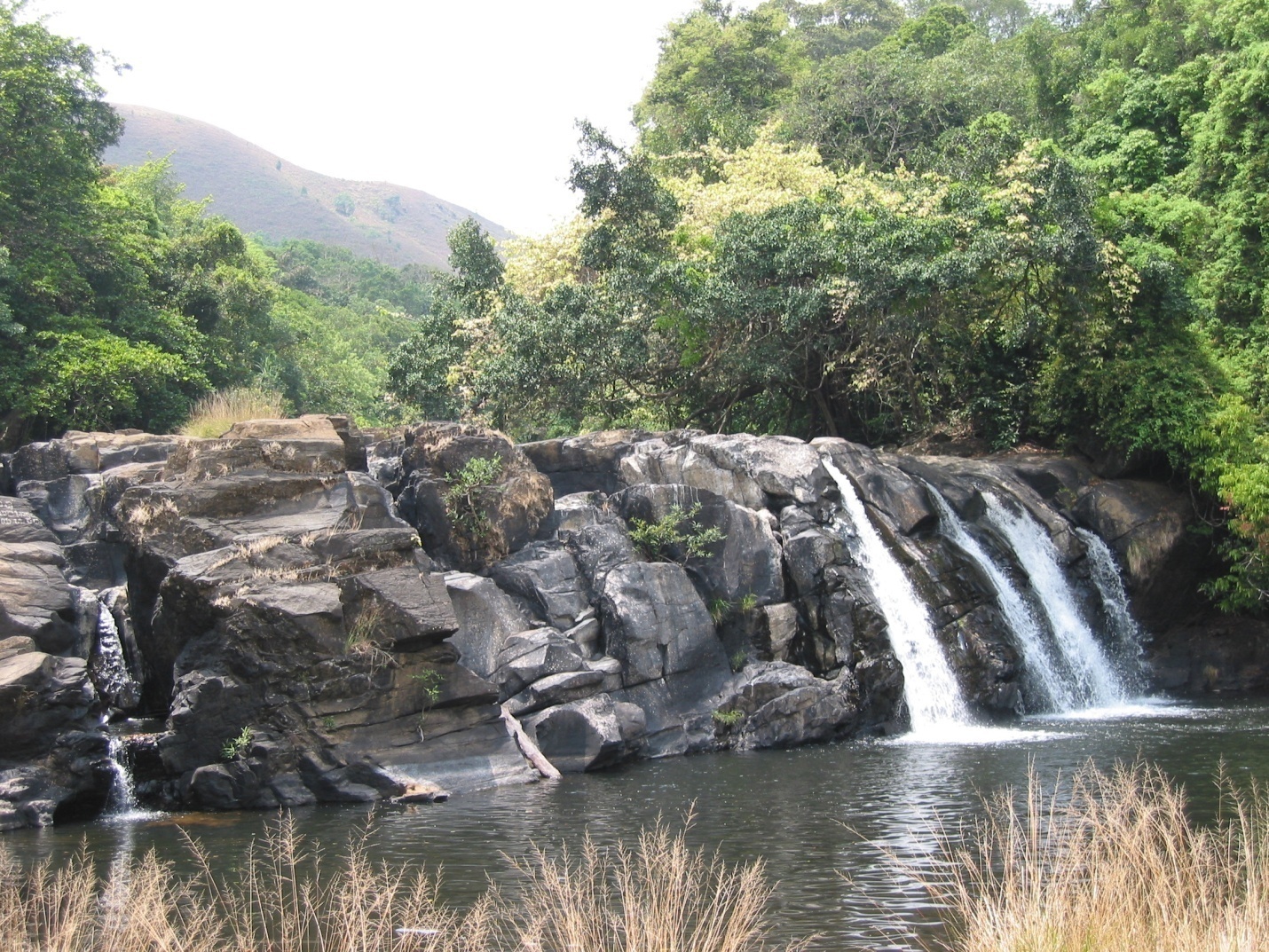 Surlabi naad in the north of Kodagu (Coorg), the epicenter of the recent landslides, is a region known for its scenic beauty. During our field-visits there to study ainmanes (ancestral homes), we found that Kodava customs, traditional songs and dances have been well preserved there for generations.
Being a remote area up in the hills, with relatively less access to civic amenities and means of communication, it was not affected much by modern influences. And that perhaps explains why the culture practiced here was not diluted over the years, as compared to that in other regions of Kodagu.
While the tangible losses to land and life in the region have dominated the news and driven the current relief and rehabilitation efforts, as they should, there is growing concern that the heritage and culture of the region might be yet another casualty of the calamity.
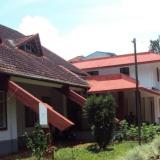
There is no information yet on the impact of the disaster on the shrines in the region, or on the few traditional ainmanes that remain in the region. (Many of the old thatched ainmanes in the area were either rebuilt small with tiled roofs, or were simply no longer there during our field-visits in 2005 to 2007.) Shrines and ainmanes are heritage structures where the culture of the region is practiced and preserved – so this too is a matter of grave concern.
How can a people uprooted by the disaster continue to practice their unique culture, so that it is not lost irretrievably?
This is a challenge that needs to be discussed and addressed by the cultural and educational societies and academies in Kodagu. Elders from that region could be engaged to document the dances and songs of the region and to teach them to the younger generation in other parts of Kodagu also. The shrines and ainmanes in the area that have been damaged by the disaster need to be rebuilt, retaining the traditional style of the structures.
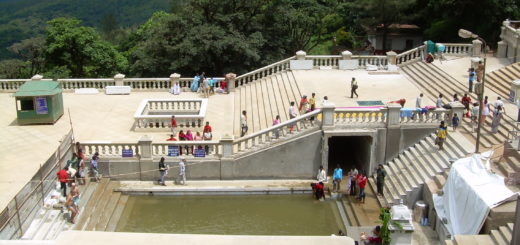
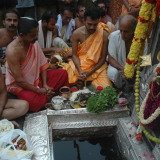
One of the unique structures we came across during our field-visit was the Appanderappa temple at Katakeri (in picture).
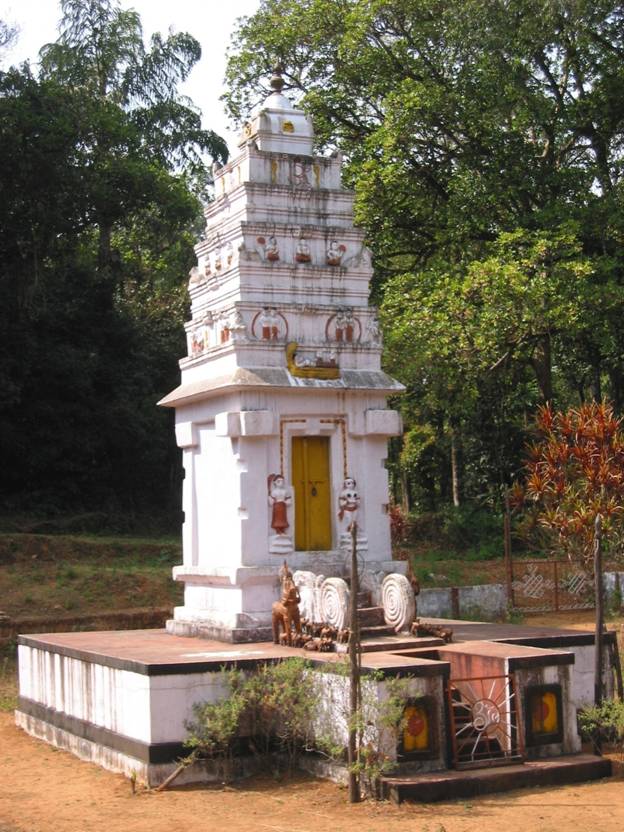 This is a rather unusual old temple of Kiraata Ishwara who came here to hunt, at which time it is said that Bhadrakali who was here left and settled further up in her current shrine. The temple is on a raised platform, in a large yard, and has a narrow tower shaped like a pagoda. Simple images are embossed on the temple tower; with many offerings of terra cotta dogs to Ayyappa and two large terracotta (Bankura) horses left on the platform, on either side of the steps to the temple. Kombaat is danced during the festival here – Kodavas and Goudas dance, wearing white kupsa and holding large deer antlers in their hands.
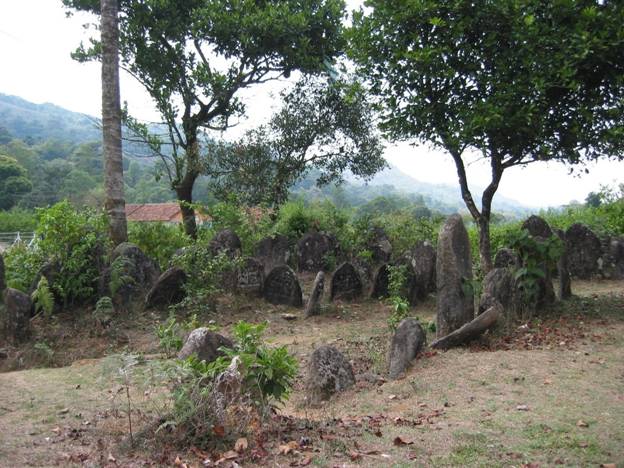 At Surlabhi, we came across a site with more than 100 beera kall, in a high plateau, which is their Puthari oor mand. The beera kall stones were kept in honour of their own people who died in the wars – one stone per okka from which a man died. These stones and the nearly 500 swords (bal kathi) used in the wars are worshipped during Kail Polud. They also hold these swords when they dance at the Kethrappa and Kalathamme temple festivals. Once in 12 years they have a big festival when the stones are worshipped.
* Boverianda Nanjamma and Chinnappa, researchers, are the grandchildren of Nadikerianda A. Chinnappa, compiler of the Pattole Palame, a collection of Kodava folksongs and traditions. The Chinnappas translated the Pattole Palame into English and published it in 2003. Their book, Ainmanes of Kodagu, documenting information on the ancestral homes of the original inhabitants of Kodagu was published in 2014.

















True. In the present disaster affected areas in Katakeri, Made, Karnangeri, Monnangeri, Makkandur, Mukkodlu, Kaloor, Hatti, Megathalu, Muvathoklu, areas adjoining the Pushpagiri Biosphere, Gouda & Kodava farmer families have been living in harmony. They are the trustees of temples like Appendrappa Temple Katakeri, Bhadrakali Temple at Kedakal, Makkandur and celebrate jointly wearing white kuppasa and singing ballpaat. Vokkaliga families of Baachinaadu, Haragada , Singooru & other families were village leaders wearing Kuppasa and attending Raja’s Durbar. Few Gowda families speak Kodava Thak even today. These areas were very fertile and occupied Kodagu Raja’s best men, as Kodagu Raja’s ancestry is from HALERI and are part of Ganganaadu later adopting Veerashaiva Religion.
The disaster that hit Coorg is a wake up call to all of us to rethink the model of development we adopt. We can no longer think of shaping human society as if the earth does not matter. Economic growth must be tempered with forethought on its impact on human society. This is essential to save the earth for the future generations